


Wales nuclear project to create 3,000 new jobs
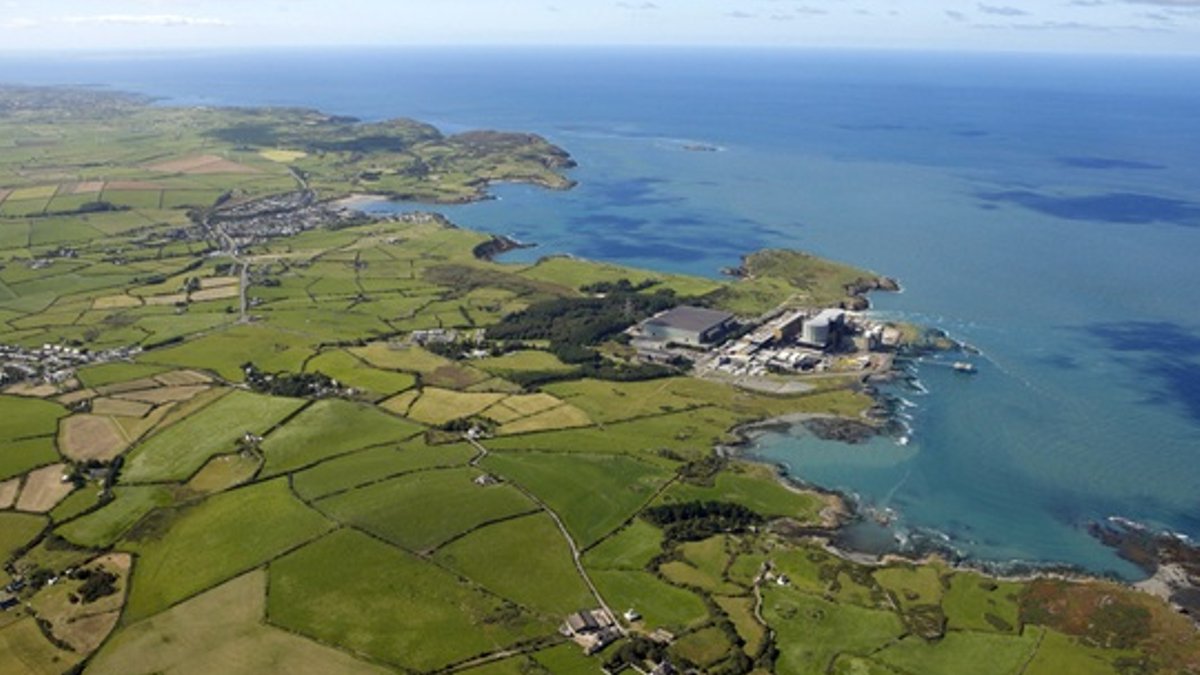
The Project Gwyndod initiative aims to more than double Wales’ nuclear workforce, with plans to create around 3,000 local jobs at peak construction and an additional 5,000 across the UK supply chain. Led by Great British Energy – Nuclear (GBE-N) and Rolls-Royce SMR, this marks Europe’s first deployment of Small Modular Reactors (SMRs) on Ynys Môn, building on Wales’ existing nuclear expertise.
Currently, Wales supports 2,210 highly skilled jobs in the civil nuclear sector, according to the Nuclear Industry Association and Wales Nuclear Forum. The new project builds on this foundation, with £2.5 billion in UK government funding already secured. Rolls-Royce SMR’s Supplier Programme will allocate up to £1.4 billion in contracts to UK businesses over the next year, ensuring high local content—over 70% of the fleet will be sourced domestically.
The reactors will generate 1.4 gigawatts of low-carbon power, enough to supply 1 million homes for more than 60 years. Beyond energy production, the project aims to revive North Wales’ industrial heritage by combining legacy skills from decommissioned sites like Wylfa Power Station with modern nuclear technology.
Politicians demand faster approvals and local benefits
Tom Greatrex, CEO of the Nuclear Industry Association, described the initiative as an opportunity to revitalize North Wales’ industrial legacy. He warned that regulatory delays could undermine the project’s economic and energy security benefits, emphasizing the need for streamlined approval processes.
Local politicians have welcomed the opportunity but stressed the importance of prioritizing community benefits. Llinos Medi MP, representing Ynys Môn, highlighted the project’s potential to deliver secure, high-skilled jobs while ensuring local expertise remains central. Mair Rowlands MP, chair of the Nuclear Energy Cross-Party Group in the Senedd, echoed this, noting that local businesses must lead the supply chain to maximize regional impact.
Wales’ nuclear industry already plays a key role in UK energy security by reducing reliance on imported power. The sector’s growth aligns with broader efforts to expand low-carbon capacity, though past projects have faced criticism over slow approval processes. Unlike traditional reactors, SMRs are designed for faster deployment.
Reviving Wylfa’s legacy with community-driven nuclear jobs
Anna Lewis, GBE-N’s regional stakeholder manager, reflected on the project’s personal significance. Her grandfather worked at Wylfa, now chosen for Gwyndod’s development. For many, Wylfa was far more than a workplace. It had a strong sense of community and created friendships that have lasted a lifetime. With Gwyndod set to replicate that model, she hopes further Welsh sites will follow, expanding the industry’s reach.
Tommy Evans, an internal hazards engineer at Rolls-Royce SMR, grew up in North Wales and began his career as an apprentice on the Wylfa Newydd project. He described nuclear as a driver of long-term careers in engineering, construction, and safety, sectors where Wales already has strong capabilities. The project’s success, he said, depends on sustaining apprenticeship programs and ensuring local workers lead the transition to new technology.
Project Gwyndod is expected to strengthen Wales’ position as a nuclear expertise hub by leveraging existing decommissioning capabilities and specialist engineering networks. Welsh businesses already provide critical services in reactor maintenance, waste management, and safety systems, skills directly transferable to SMR deployment. The project’s focus on high local content, with over 70% of components sourced domestically, will further solidify Wales’ role in the UK supply chain, creating demand for Welsh manufacturers in areas like modular construction, advanced materials, and digital monitoring technologies.


