


Airtel Africa cuts diesel usage amid expansion
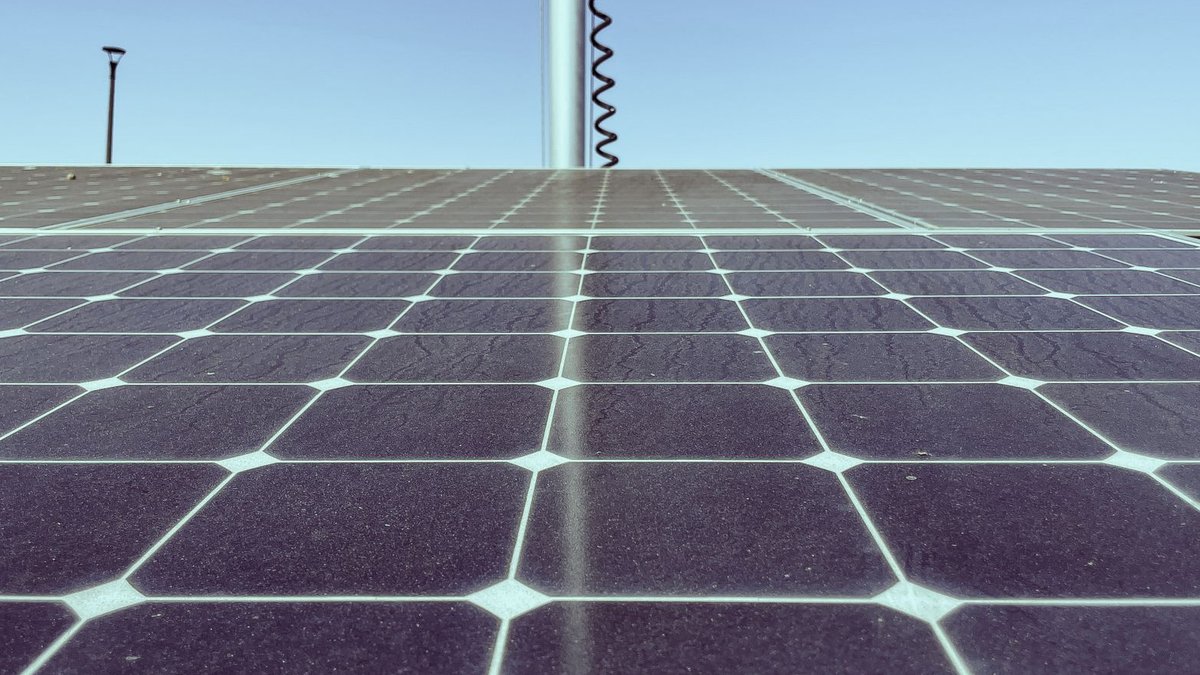
Airtel Africa has significantly reduced its reliance on diesel generators across its 14 sub-Saharan markets, cutting consumption by 9.1 million litres during the 2025/26 financial year. This reduction occurred alongside a broader expansion of its telecom and fintech infrastructure, challenging the typical correlation between network growth and increased fuel consumption.
Operating in regions where energy access is often limited, the company has historically depended on diesel to maintain network uptime in areas lacking reliable national grid connectivity. Over the past year, however, Airtel Africa transitioned 390 off-grid sites onto grid power.
This shift increased the total number of grid-connected sites to more than 21,500 out of a portfolio exceeding 40,300 assets. The deployment of 176 lithium-ion batteries and enhanced cooling technologies supported this transition, allowing the operator to stabilize power usage even in remote locations.
For telecommunications operators across the continent, managing energy consumption is often a logistical tightrope walk. While expanding digital access is a commercial priority, the instability of public power grids in many regions forces companies to build their own energy solutions. Transitioning these sites away from fossil fuels requires not just technical upgrades but a fundamental restructuring of how network infrastructure is powered and maintained in remote areas.
Emissions Steady Despite Growth
As a result of these operational changes, Scope 1 and 2 emissions reached 136,133 tonnes of CO₂-equivalent, marking a modest 1.6% year-on-year increase. This represents a notable deceleration compared to the 4.3% rise recorded in the previous year, despite continued network expansion.
Related: New Privacy Policy And Cookie Settings
Transitioning these sites to grid power, diesel usage was significantly reduced. Emissions intensity has fallen by 20% against a 2022 baseline, supporting progress toward the company’s target of a 62% reduction by 2032.
“Across Africa, access to connectivity, financial services and digital education is increasingly essential to economic opportunity,” says Sunil Taldar, CEO of Airtel Africa. “Sustainability remains embedded in how we operate and grow our business. By improving energy efficiency and reducing reliance on diesel, we’re strengthening operational resilience while supporting long-term sustainable growth.”
Supply Chain and Waste
The company has identified that Scope 3 emissions is a significant hurdle, representing approximately 85% of its total greenhouse gas footprint across its African operations. Within this category, upstream leased assets contribute the majority share, accounting for 79% of Scope 3 emissions.
In response, the company has tightened contractor oversight and introduced stricter environmental criteria into agreements with higher-risk suppliers. As a member of the Joint Alliance for CSR (JAC), Airtel Africa carried out five supplier audits over the past year and resolved 66% of outstanding corrective action plans.
These efforts support responsible mineral sourcing and ethical mining practices. Alongside this, the business has advanced local circular economy initiatives. Through a material take-back programme with OEM partners including Nokia, Huawei, ZTE, and Ericsson, Airtel Africa recovered, recycled, or repurposed 532 tonnes of electronic network waste.
Related: Websites Let Users Manage Cookies Through New Privacy Center
No e-waste was sent to landfill. In total, the company reached a circularity rate of 94% across the waste it generated.
Governance and Financial Growth
Airtel Africa embeds ESG performance indicators into executive remuneration as part of its broader sustainability governance framework. This approach to accountability has contributed to an increase in female representation, with women now comprising 29.9% of the Group’s workforce and 36.3% of its Board.
“From a Board perspective, there is a strong and consistent focus on ensuring that sustainability remains fully embedded in how the business operates and grows,” says Annika Poutiainen, Board Member and Airtel Africa’s sustainability champion. She noted that the Board regularly reviews progress against key priorities and maintains oversight of how the business manages evolving risks, including those related to climate.
Commercial growth continued to track alongside these sustainability efforts. Airtel Money’s active user base increased by 21.3% to surpass 54 million customers, collectively processing approximately $196 billion in transactions. Women account for 44.1% of the mobile money user base, helping to expand financial independence across traditionally underbanked rural and semi-urban populations.

New Privacy Policy And Cookie Settings


