


Formula One Leads New Era in Sports
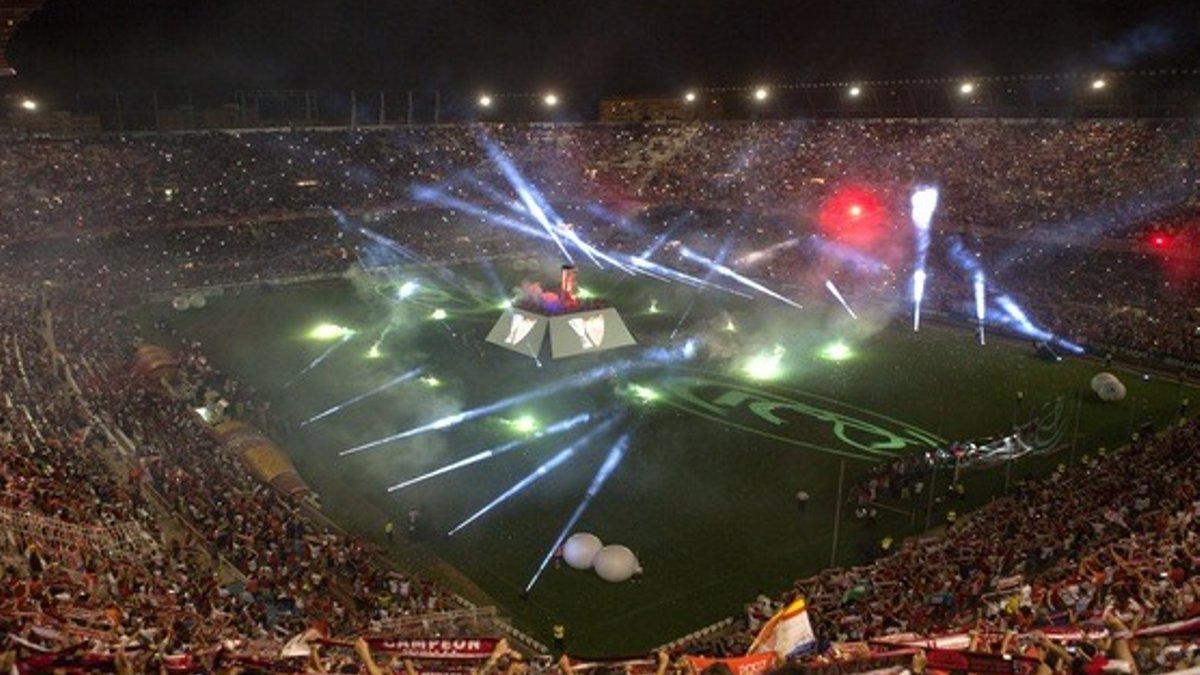
The world of sports is changing, with Formula 1 leading the way in a new era of large-scale sporting events. The experience surrounding the event drives someone to attend a World Cup match, an NFL game, a Formula 1 race, or a major international tournament. The answer lies in the experience surrounding the event.
According to César González, a member of the board of directors of AEVEA, “the reality is that these events have become authentic ecosystems of experiences where entertainment, gastronomy, networking, brand activations, tourism, and business coexist.”
The Transformation of Sports Events
This transformation is visible worldwide. In the World Cup and the NFL, much of the conversation revolves around the spectacle surrounding the game. In Formula 1, brands are paying increasing attention to hospitality areas, client meetings, and exclusive experiences.
In tournaments like the Mutua Madrid Open, the time dedicated to gastronomic offerings, social spaces, and parallel activities to the matches themselves is significant. Sports have become an excuse for a broader experience.
Experts say that major sporting events are now platforms for building dozens of simultaneous experiences. Business meetings, incentive programs, sponsorship activations, VIP experiences, social events, networking, tourism, and entertainment all coexist around a main event that acts as a catalyst for economic and relational activity.
The Economic Impact
The events industry contributes around 1.2% to the national GDP and generates activity in diverse sectors such as tourism, hospitality, transportation, technology, audiovisual production, communication, and leisure services. This phenomenon has a significant economic dimension.
Spain is preparing to host several major sporting events in the coming months. This event will reinforce the exposure of the Spain brand to millions of people and position the country as a reference point for organizational capacity, infrastructure, tourism, and celebration of major events.
These types of events also act as ambassadors for the culture, gastronomy, and identity of the host countries. The experiences developed around competitions are gaining prominence as a complement that expands their reach, enriches the audience’s experience, and multiplies their economic, social, and reputational impact.
A Tool for Country Branding
This evolution explains why cities and countries are competing to attract events like Formula 1, the NFL, or major international competitions. Beyond the direct economic impact, these events project an image, position destinations, and allow showcasing values such as security, innovation, infrastructure, sustainability, or organizational capacity.
As Mariano Rodríguez, president of AEVEA, notes, “when a country attracts a World Cup, a Formula 1 race, or a major international sporting event, it’s not just filling a stadium or a circuit. It’s driving tourism, employment, investment, business activity, and international positioning. That’s the true dimension of major events today.”
The arrival of new international events, the growth of festivals or concerts, the bet on Formula 1, and the interest of competitions like the NFL in Spain confirm the country’s positioning as one of the most attractive destinations for hosting major events. For millions of people, the game is still important, but it’s no longer the only thing that matters. They are looking for a broader experience, which is why automation in the financial sector is not the only area where technology is being used to improve experiences.
Spain’s ability to host major events is also driven by its strong fintech sector, which provides the necessary infrastructure for secure and efficient transactions. This infrastructure is essential for hosting large-scale events, and it’s one of the reasons why Spain is an attractive destination for event organizers.

Banks Embrace AI for Automation


