


Tax raids prompt consultancy model rethink
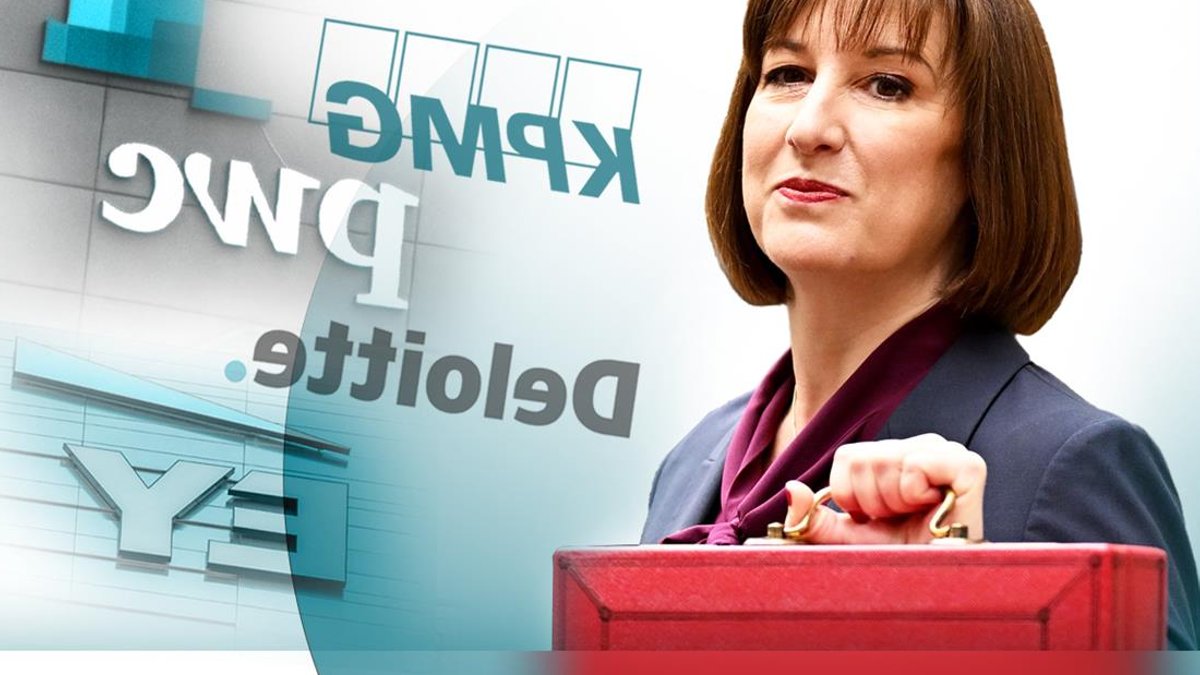
Chancellor Rachel Reeves is set to deliver the budget on 26 November, and partners in the Big Four management consultancies are likely to be watching closely. A recent report suggested the government may apply employer’s national insurance to limited liability partnerships (LLPs), which could lead to a tax rise for these firms.
The use of LLPs by major consultancies and law firms means they are effectively a federated collection of partnerships rather than a corporation. Elspeth Berry, associate professor at Nottingham Law School, notes that LLPs combine management and ownership, allowing individuals to both work in and own the business.
Large consultancies may be envious of nimbler rivals who have attracted private equity funding. James O’Dowd, founder and CEO of Patrick Morgan, claims that duplication of effort and excessive bureaucracy in LLPs result in higher overheads compared to private rivals.
Related: Understanding the Importance of Cloud Hosting for Your Website’s Security
In the UK, the LLP was incorporated into law in 2000 to help align partners’ status with their US equivalents. The internal structures of the businesses weren’t changed, but partners’ exposure to debt liabilities or responsibility for colleagues’ misconduct was removed.
Elspeth Berry notes that the worst possible scenarios about LLPs didn’t materialize. However, it’s notable that law firms have been shifting away from the partnership model in recent years, with many now being corporate entities. This shift allowed them to raise funds on the open market to compete.
Accenture was the last major firm to go private, listing in 2001 after its split from Arthur Andersen. Its revenues now exceed those of the Big Four, although its service mix is different.
Last year, revenue growth slowed across the Big Four, and partner numbers are also dropping in the UK and US. The time might seem ripe for a rethink, but Berry doesn’t expect change any time soon. She believes that most firms are reasonably happy with the current model, despite concerns about potential tax changes.
Related: Is a Dedicated Server Faster Than a VPS?
The next move is Chancellor Reeves’.
Barring a major surprise, no immediate fireworks are expected.
The Big Four will likely be watching closely, but for now, it’s business as usual.

Understanding the Importance of Cloud Hosting for Your Website’s Security


