


World Cup puts payment brands to the test
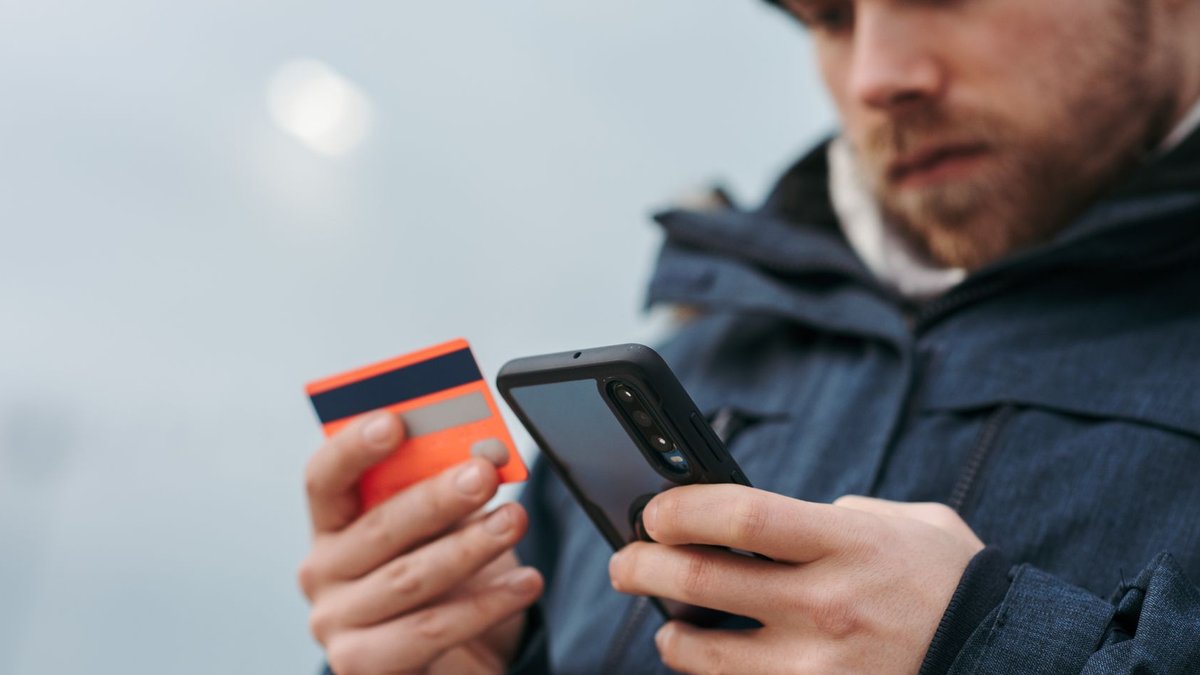
Millions of transactions—ticket sales, betting slips, and in-stadium purchases—flowed through payment networks during this year’s FIFA World Cup, turning the event into a real-time test for financial brands.
The pressure extended beyond the field. Every failed transaction, fraud alert, or slow checkout played out in front of a global audience, influencing how consumers perceive the companies handling their money.
Trust, not tech, shaped the discussion
An analysis of 898 media reports by intelligence provider CARMA found that reputation, rather than innovation, drove conversations about four major payment brands—Mastercard, Visa, PayPal, and Apple Pay—during the tournament.
The findings show that while all four appeared in stories about betting, fraud, ticketing, and cashless payments, their roles and public perception differed significantly.
Mastercard: High visibility, high scrutiny
Mastercard led in media mentions, but that exposure came with challenges. Fraud-related stories made up 195 of its references—the largest theme for any brand in the study. Meanwhile, its consumer education efforts earned 162 mentions, positioning the company as both a payments provider and a leader in fraud prevention.
On social media, Mastercard generated 41,400 mentions with a 97.1% positive sentiment rate. Most engagement, however, came from crypto-promotional posts rather than organic fan interaction.
The contrast between scale and scrutiny was most evident for Mastercard. The World Cup tested more than transaction speeds; it tested whether consumers would trust a brand after seeing it linked to scams, fake FIFA websites, and card data theft.
For many fans, the tournament marked their first real-time encounter with digital payment risks. A missed penalty fades quickly, but a stolen card number does not.
PayPal: The quiet backbone of betting
PayPal played a less visible but equally important role. The brand appeared in 244 mentions, mostly tied to betting platforms and prediction markets. This functional role led to the highest social engagement among the four brands—100,400 interactions from 10,600 mentions.
Much of that activity came from creator monetization and donation flows, particularly on digital content platforms. Sentiment remained largely neutral at 77.4%, with criticism focused more on ticket pricing and donation fatigue than on PayPal itself.
This neutrality reflects the company’s strategy: it operates as infrastructure, not the main story. When it works, no one notices. When issues arise, blame often falls elsewhere.
Related: OP and Qutwo launch quantum computing alliance
Apple Pay: Smooth but overlooked
Apple Pay had the smallest footprint, with 950 mentions and 6,300 engagements. Its role is embedded in cashless payments at stadiums and fan zones without demanding attention. Betting dominated its coverage, followed by in-person transactions at events.
With 64.5% neutral sentiment, Apple Pay maintained a steady, low-profile presence. This aligns with its broader approach of integration over promotion. Fewer headlines mean fewer opportunities to fail.
Visa: Sponsorship as protection
Visa took a different approach, using its official FIFA partnership to shape a controlled narrative. While it had the fewest media mentions, it generated 55,500 engagements—the highest ratio of interaction to volume.
Most coverage centered on sponsorship and community initiatives, such as Visa Street Soccer Parks and its $600,000 “Tap In to Impact” program supporting nonprofits in host nations. That resulted in the most balanced sentiment profile: 51.8% positive, 45.5% neutral.
The strategy proved effective. By associating itself with grassroots programs rather than just transactions, Visa avoided the reputational risks that affected others. Trust builds more easily when a brand is linked to youth soccer clinics than to ticket scams.
The data shows a competitive field where each brand carves out a distinct role.
Mastercard leads in visibility but faces scrutiny.
PayPal thrives in betting ecosystems without dominating the conversation.
Apple Pay operates in the background.
Visa uses sponsorship to craft its narrative.
One theme connects them all: in an era where a single failed payment can go viral, trust matters most. The World Cup didn’t just process transactions—it shaped long-term perceptions. For payment brands, those perceptions may outlast the tournament itself.

GoCardless leads in payment industry growth


