


Trivago CEO on AI and loyalty
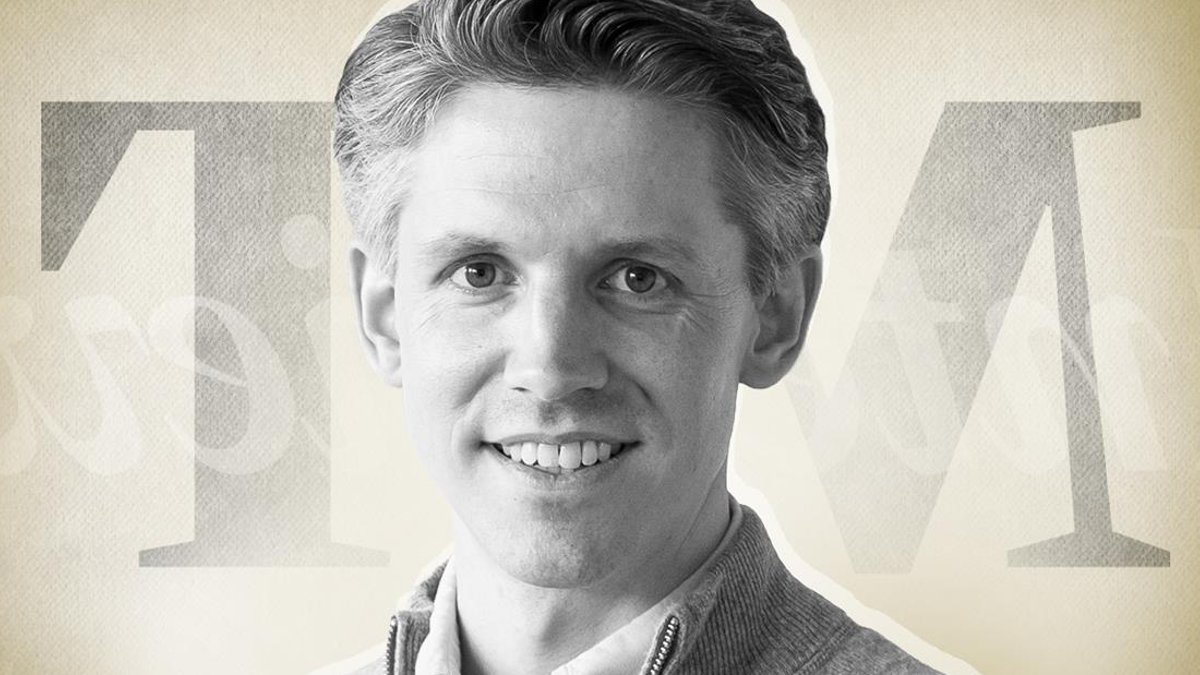
Trivago CEO Johannes Thomas says the company’s recent recovery hinges on tiny, steady gains rather than sweeping overhauls.
From near‑death to a new leadership role
Thomas left his chief revenue officer post in summer 2020 as the pandemic shut down global travel. Within weeks, Trivago’s revenue fell by 95 %, a loss he described as a “near‑death experience.” After a stint with collective‑intelligence investment funds and the launch of CoIQ.capital, he was asked in 2023 to return as chief executive. The invitation came from a co‑founder who wanted him to steer the struggling firm back to growth.
He did not come back alone. Former leaders Andrej Lehnert and Jasmine Ezz joined as chief product officer and chief marketing officer, respectively. At the time, the company was shrinking by 15 % in the second quarter of 2023, and morale was low. Employees voiced concerns that the product “was not great” and that “nobody knows us anymore.”
Rather than seeking a single breakthrough, Thomas adopted a “1 % improvement” mindset. The team set modest targets across marketing, product development and partnerships, hoping the incremental wins would add up. By reinvesting profits into branding, they claimed to have stabilized the business within two quarters, lifting morale and restoring confidence among staff.
“Today we have a team that believes we can be successful. We have improved quarter by quarter and are now in double‑digit growth,” Thomas told reporters.
Reworking the user journey
The core of Trivago’s revival involves reshaping how travelers interact with the platform. Historically, users compared prices on Trivago and were then sent to third‑party booking sites, a process that often felt disjointed. The company’s “Book & Go” platform, launched before Thomas’s return, aims to reduce that friction.
Related: Brewdog record falls as crowdfunding model fails
Since taking the helm, Thomas added the AI travel‑tech firm Holisto to the mix. The combined effort now presents three clear price options: major aggregators such as Expedia and Booking.com, direct hotel sites, and Trivago’s own price. These choices are funneled through a single “Book & Go” checkout, allowing users to avoid hopping between multiple sites.
Logged‑in customers now receive a better rate, contributing to more than 20 % of total revenue. He frames this as a loyalty‑building move, hoping that a modest discount will keep travelers returning to Trivago instead of switching to larger competitors.
Looking ahead with caution and optimism
Thomas acknowledges that Trivago operates in a crowded field dominated by giants like Google and large online travel agencies. He emphasizes that Trivago’s niche focus on price comparison can keep it “top of mind” for consumers.
Critics warn that advanced AI could eventually make services like Trivago redundant by enabling instant interaction with every hotel website. Thomas counters that the human element stays vital. “I would bet that it will stay very human. Travel is a space where not a lot of jobs will be lost…because people are an important part of the booking experience,” he said.
With a workforce of roughly 600 employees, Trivago aims to punch above its weight against rivals that employ ten times as many staff. The company’s focus on incremental improvements, AI‑enhanced marketing and a tighter user funnel suggests a measured attempt to reclaim relevance in a market still reshaped by the pandemic.

Clients split on AI in consulting firms


