


World’s Poorest Countries in 2026
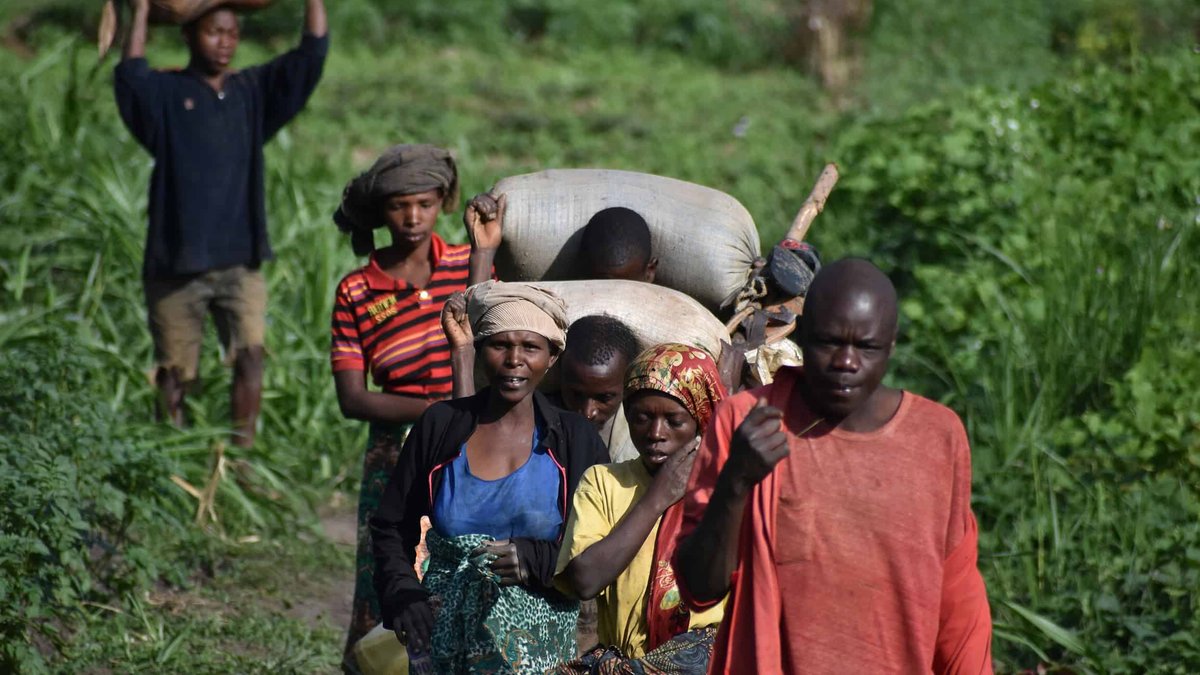
Measuring which nations have the lowest standard of living requires looking beyond raw GDP figures to purchasing power parity. According to the data, the world’s poorest countries are concentrated on the African continent, where nine of the top ten are located. In these nations, average annual per capita purchasing power hovers around $1,700, a stark contrast to the $121,000 average found in the ten richest economies.
These nations share common denominators: weak institutions, conflict, and climate vulnerability. Corruption and a history of colonialism often undermine economic potential, while war and social unrest destroy what little progress is made. The World Bank notes that deprivation tends to perpetuate itself; high interest rates and debt burdens prevent countries from investing in infrastructure or education, which stifles future growth.
External shocks have worsened conditions in recent years. The coronavirus pandemic hit hard in regions with high informal employment and no social safety nets. Global inflation, supply chain disruptions from the war in Ukraine, and reduced foreign aid budgets have all strained fragile economies. The dissolution of USAID programs has been estimated to cause millions of preventable deaths by 2030, as the agency had saved over 91 million lives in the past two decades.
Related: Ex Tech CEO becomes South Koreas new PM
For residents of these nations, the gap between rich and poor is closing in the wrong direction. The International Monetary Fund reports that the divide between low-income and wealthy nations is widening, not narrowing. Factors like climate change and uneven access to automation technologies are creating new forms of inequality that could trap these populations in poverty for generations to come.
10. Democratic Republic of the Congo (DRC)
Current International Dollars: 2,032.68
Since gaining independence from Belgium in 1960, the DRC has endured decades of dictatorship and persistent violence, including the M23 rebellion and the fall of Goma in early 2025. The country possesses vast mineral reserves and fertile land, yet corruption and inadequate infrastructure hinder efficient use of these resources. It is the world’s largest producer of cobalt and Africa’s leading source of copper.
9. Madagascar
Current International Dollars: 2,030.36
Since shedding colonial status in 1960, Madagascar has experienced political instability, disputed elections, and violent coups. The country has one of the world’s highest poverty rates, at about 75%, and ranks among the ten most vulnerable globally to climate hazards.
8. Liberia
Current International Dollars: 1,979.42
Africa’s oldest republic has ranked among the poorest for many years. Former football star George Weah became president in 2018, but his tenure was marred by high inflation and negative economic growth.
Related: Understanding the Importance of Cloud Hosting for Your Website’s Security
7. Somalia
Current International Dollars: 1,905.21
This country of 17 million in the Horn of Africa has made progress despite the pandemic, severe floods, and droughts. However, the jihadi insurgents of Al-Shabaab have reversed some gains, retaking towns and intensifying attacks in Mogadishu. Nearly 4.8 million people are projected to require humanitarian assistance this year.
6. Malawi
Current International Dollars: 1,758.03
Malawi, one of Africa’s smallest nations, depends on rain-fed crops and remains vulnerable to weather-related shocks. In 2025, voters brought back Peter Mutharika, who inherited an economy with inflation near 30%, depleted reserves, and public debt at nearly 91% of GDP. While reforms have been introduced, growth remains too weak to raise living standards.
5. Mozambique
Current International Dollars: 1,688.91
Rich in resources and strategically located, this former Portuguese colony has often posted GDP growth above 7%. Yet it remains among the ten poorest countries. Since 2017, attacks by Islamist insurgents have plagued the gas-rich north, and disputed elections in 2024 triggered violence that pushed the economy into reverse last year. A fragile recovery began early this year, but conditions remain highly vulnerable.
4. Yemen
Current International Dollars: 1,590.19
This country of roughly 43 million has been embroiled in conflict since 2014. The war has claimed more than 150,000 lives and destroyed critical infrastructure. A Houthi blockade of the Bab el-Mandeb Strait has sharply reduced oil exports and fiscal revenues, leaving Yemen facing one of the world’s worst humanitarian crises.
Related: Nigerian banking titan steps down after decades
3. South Sudan
Current International Dollars: 1,467.19
South Sudan has been wracked by violence since its creation in 2011. Rich in oil reserves, the landlocked state of about 15 million people is a textbook example of the “resource curse.” Oil exports account for about 90% of government revenue, but pipeline disruptions and internal conflict have severely affected income. The World Bank warns that nearly 90% of the population lives below the poverty line.
2. Central African Republic
Current International Dollars: 1,437.72
Rich in gold, oil, uranium, and diamonds, the Central African Republic is a wealthy country inhabited by a few very rich individuals and many very poor ones. It has hardly experienced sustained economic growth since independence. Large swaths of the country remain under militia control, and Russian personnel help keep the president in power in exchange for access to mines. Growth reached an estimated 2.6% in 2026 but is too modest to lift a population experiencing nearly universal poverty.
1. Burundi
Current International Dollars: 994.23
Tiny, landlocked Burundi lacks natural resources and remains scarred by a civil war that lasted from 1993 to 2005. Approximately 80% of its 14 million citizens rely on subsistence agriculture. Access to clean water and sanitation remains very low. After inflation peaked at around 45% early last year, the IMF projects a more stable economic outlook for 2026 and growth of almost 4%.

Ex Tech CEO becomes South Koreas new PM


